What Actually Happens When the Appraisal Comes In Low
Your lender does not loan against the price you agreed to pay. It loans against whatever a licensed appraiser says the home is actually worth.
So when an appraisal comes back under the purchase price, you have what is called an appraisal gap. Say you are under contract for $500,000 and the appraisal comes back at $475,000. That is a $25,000 gap, and someone has to deal with it before the loan can close on the original terms.
Here is the part most people miss. A low appraisal does not automatically let you cancel the deal. In Florida, the financing provision in the standard Florida Realtors/Florida Bar contract and a true appraisal contingency are two different things. The financing clause is about whether your lender is satisfied enough with the valuation to fund the loan, not about whether the home appraised at the price you offered. If you want the contractual right to walk away and keep your deposit specifically because the appraisal came in low, that typically has to come from a separate rider negotiated into the contract before your offer is ever accepted.
FHA and VA buyers get a version of this protection automatically. Federal rules require what is known as an amendatory clause on those loans, which generally lets the buyer cancel and recover earnest money if the appraisal comes in below the contract price. Conventional buyers do not get that for free. If that protection matters to you, it needs to be written into your contract before you are under contract, and your agent or closing attorney should confirm the exact wording with you (requirements can vary by lender and loan program, so do not assume your situation matches someone else's).
Once the report is actually in hand, here is the order most buyers and sellers work through it in:
- Review the appraisal for errors first. Wrong square footage, a missed bedroom, an upgrade the appraiser never saw, or comparable sales pulled from the wrong part of town are all worth flagging to your lender before you negotiate anything else.
- Ask for a reconsideration of value. Your lender can resubmit stronger comparable sales to the appraiser, though there is no guarantee the number moves.
- Renegotiate the price. The seller is not obligated to come down to the appraised value, but plenty do rather than relist and start over.
- Split the gap. A common middle ground: the seller comes down part of the way, and the buyer covers the rest in cash.
- Bring cash to close at the original price. This works if you have it, but it eats into the reserves you will want for repairs, insurance, and the first few months of ownership.
- Exit the contract, if you have that right in writing, and get your deposit back.
None of these happen automatically. Someone, usually your agent, has to actually have the conversation with the other side.
Why This Comes Up More in Ponte Vedra Beach and Nocatee
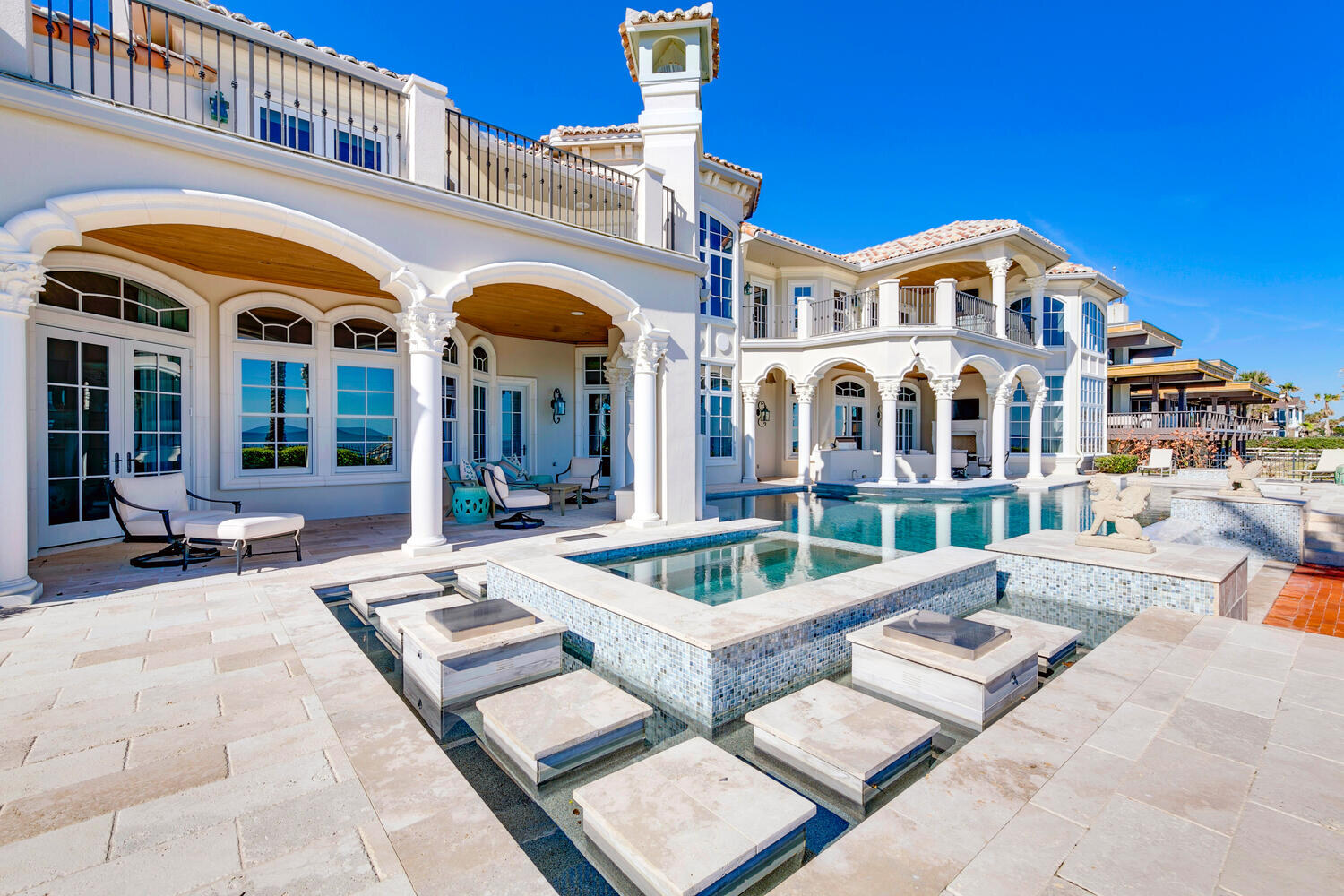
An appraisal leans heavily on recent, genuinely comparable sales nearby. That is straightforward in a subdivision full of similar floor plans built the same year. It is a lot harder on a custom waterfront build, a golf course estate, or a one-off lot on the Intracoastal, which describes a good share of what sells above $750,000 in Ponte Vedra Beach and Nocatee.
When there are only two or three genuinely similar sales in the last six to twelve months, and one of them was a motivated seller or a cash deal that closed under list, the appraiser has thinner ground to stand on. That is exactly the kind of property where a buyer paying up for a builder's rate buydown on new construction can also widen the gap between what an incentivized price looks like on paper and what an appraiser is willing to support.
It shows up on the financing side too. Once your loan crosses into jumbo territory, which is common on Ponte Vedra Beach purchases, lenders tend to scrutinize the appraisal more closely, not less. The same is true for condos, where the stricter financing and reserve rules we have covered before add another layer of underwriting on top of the valuation itself.
If you are a seller, this also matters when a home has already been sitting. A listing that has stalled is already negotiating from a weaker position. An appraisal gap on top of a slow sale is a much harder conversation than one on a home that is moving at a normal pace.
Before you sign a contract on either side of the table, it is worth pulling the St. Johns County Property Appraiser's parcel records yourself, and asking your agent to pull actual realMLS sold data, rather than trusting an automated online estimate. A Zestimate or similar tool does not know about a rebuilt seawall, a new dock, or a renovated kitchen, and it does not know when the closest "comparable" sale three streets over is actually a very different house.
Our Perspective
I have walked buyers and sellers through this more times than I can count, and it almost always comes back to the same thing: thin comps. Across my career I have closed 56 homes above $1 million, including the $19 million sale at 801 Ponte Vedra Blvd in 2023, and the higher you go in this market, the fewer truly matching sales an appraiser has to work with. That is not a flaw in the process. It is just what happens when you are buying or selling something that does not have five identical twins down the street.
My advice is the same every time. Do not panic at the number on the page, and do not assume your only options are pay the gap or walk away. Work through the list in order, starting with whether the appraisal itself got the property right, and loop in someone who has actually negotiated this exact gap before you decide what to do next.
Sources
- Hunt Brothers Realty, "What Happens if a Home Appraises for Less Than the Purchase Price?" (October 23, 2026)
- Rocket Mortgage, "Low Appraisal: What It Means and Next Steps for Home Buyers" (updated October 1, 2026)
A low appraisal feels like bad news in the moment, but it is rarely the end of the deal. The number on the page is a starting point for a conversation, not a verdict. If you are heading into a purchase or a sale in Ponte Vedra Beach, Nocatee, or anywhere along the St. Johns County beaches and want a realistic read on where your home or your offer actually stands against current comparable sales, that is exactly the kind of groundwork I do before a client signs anything.